
When planning a construction or renovation project, one of the most important decisions is choosing the right contractor. Many property owners hear the term general contractor, but may not fully understand what this role involves. A general contractor is responsible for coordinating and managing the entire construction project from start to finish.
Understanding the Role of a General Contractor
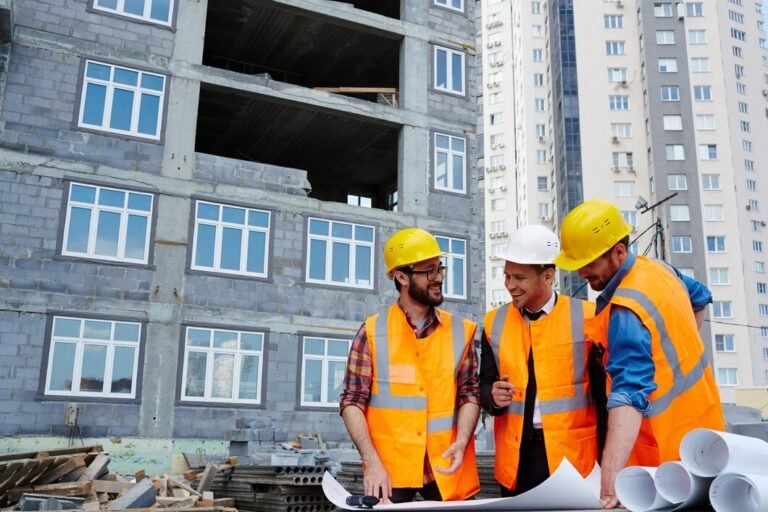
A general contractor oversees all aspects of a construction project. This includes managing subcontractors, coordinating schedules, supervising construction activities, and ensuring the project follows building codes and safety standards.
Instead of property owners managing multiple contractors and trades themselves, the general contractor acts as the central point of coordination for the entire project.
Project Planning and Preparation
Before construction begins, a general contractor helps review project plans, determine the scope of work, and establish a realistic timeline. This planning stage ensures that the project is organized and prepared before any physical work starts.
Preparation tasks may include:
- Reviewing construction plans and specifications
- Estimating project costs
- Developing a project timeline
- Planning construction phases
- Coordinating necessary resources
Managing Subcontractors and Construction Teams
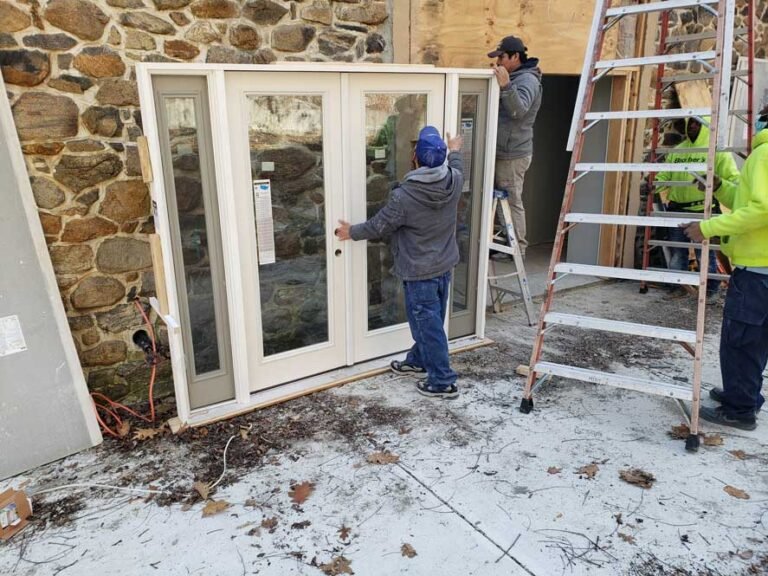
Construction projects involve multiple skilled trades such as electricians, plumbers, carpenters, and masonry specialists. A general contractor is responsible for hiring and coordinating these subcontractors to ensure work is completed efficiently.
Responsibilities include:
- Scheduling subcontractors
- Coordinating construction tasks
- Ensuring quality workmanship
- Monitoring work progress
- Maintaining job site organization
Construction Scheduling and Timeline Management
Keeping a construction project on schedule is one of the most important responsibilities of a general contractor. Construction projects must follow a carefully organized sequence of tasks, and delays in one phase can affect the entire timeline.
A contractor develops a construction schedule that outlines each stage of the project including demolition, structural work, installations, and finishing phases.
Permit Coordination and Inspections
Many construction projects in Philadelphia require permits and inspections to ensure the work complies with local building codes and safety standards.
General contractors often assist with:
- Permit application coordination
- Inspection scheduling
- Ensuring code compliance
- Documentation for approvals
Proper permit coordination helps prevent costly delays and ensures that the construction project meets regulatory requirements.
Quality Control and Site Supervision
Throughout the construction process, a general contractor supervises the job site to ensure the project is progressing according to the plans and quality standards.
This includes reviewing completed work, identifying issues early, and ensuring safety procedures are followed on the construction site.
Project Completion and Final Walkthrough
Once construction is completed, the general contractor conducts a final walkthrough with the client to ensure that all work meets expectations. Any remaining adjustments or punch-list items are addressed before the project is officially completed.
Final inspections may also take place during this stage to confirm the project meets local building requirements.
Benefits of Hiring a General Contractor
Working with a general contractor offers several advantages for property owners. Instead of managing multiple contractors and project details independently, the contractor provides centralized coordination and professional oversight.
- Improved project organization
- Better coordination between contractors
- More efficient scheduling
- Professional quality control
- Reduced stress for property owners
Final Thoughts
A general contractor plays a critical role in managing construction projects from initial planning through final completion. By coordinating contractors, managing schedules, and ensuring quality construction work, general contractors help deliver successful building projects.
Whether planning a home renovation, commercial development, or structural improvement, working with an experienced general contractor can simplify the construction process and ensure the project stays organized and efficient.