Commercial construction projects require careful coordination, planning, and project management to ensure successful results. Whether a business is renovating an office, developing retail space, or constructing a new commercial property, understanding the construction process can help project owners prepare for each phase of development.
Understanding Commercial Construction
Commercial construction involves building or renovating properties used for business purposes. These projects can range from office renovations and retail store build-outs to large mixed-use developments and industrial facilities.
Because commercial properties must meet operational, safety, and regulatory requirements, the construction process often requires more detailed planning and coordination compared to smaller residential projects.
Initial Planning and Project Development
The first stage of any commercial construction project involves planning and project evaluation. During this stage, property owners and construction teams review the goals of the project, the condition of the property, and the feasibility of the development.
Key planning tasks include:
- Reviewing the project scope
- Evaluating the property and site conditions
- Developing preliminary budgets
- Creating a project timeline
- Coordinating design and construction requirements
Design and Architectural Coordination
Commercial construction projects often involve architects, engineers, and design consultants who develop detailed plans for the building. These plans ensure that the structure meets functional requirements while complying with building codes and zoning regulations.
During this stage, project teams focus on layout planning, structural design, and building systems such as electrical, plumbing, and HVAC infrastructure.
Permits and Regulatory Requirements
Before construction can begin, commercial projects must receive approval from local building authorities. This typically involves obtaining permits and ensuring the project meets zoning and safety regulations.
Permit requirements may include:
- Building permits
- Zoning approvals
- Safety compliance reviews
- Construction inspections
Proper permit coordination ensures that the project proceeds legally and avoids regulatory delays.
Construction and Project Management
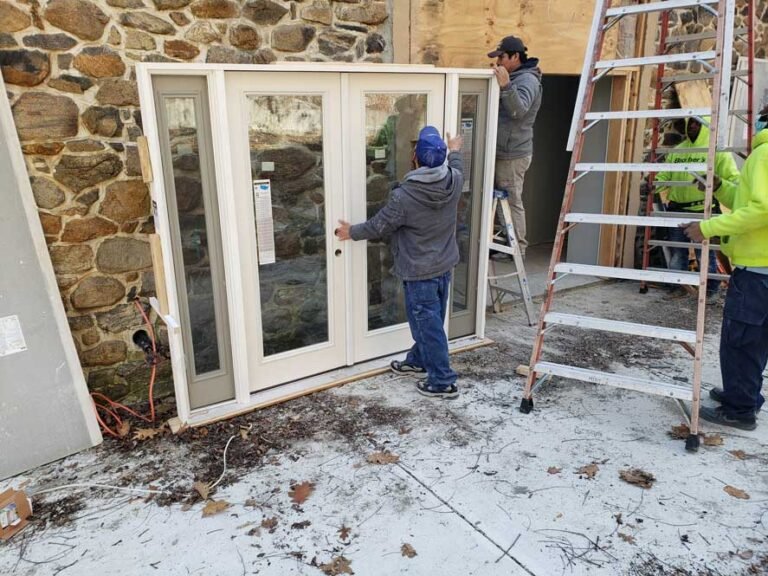
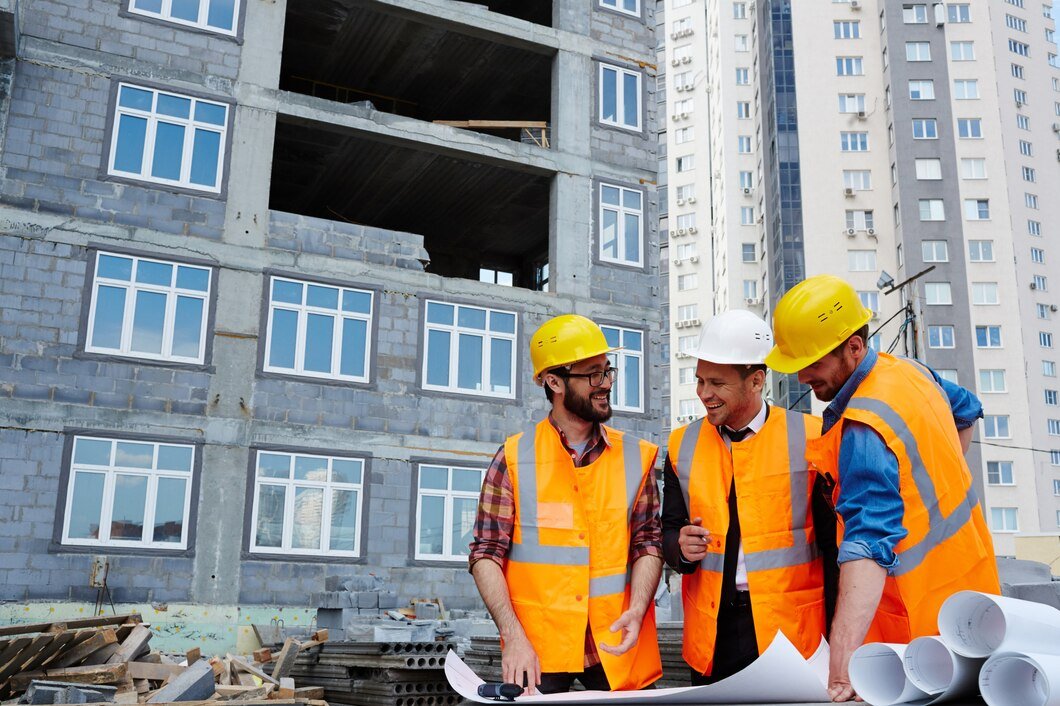
Once permits and plans are approved, construction work begins. This phase involves coordinating contractors, managing schedules, and supervising work to ensure the project progresses according to plan.
Construction management responsibilities often include:
- Coordinating subcontractors
- Managing construction schedules
- Monitoring work quality
- Ensuring job site safety
- Maintaining communication with property owners
Final Inspections and Project Completion
When construction is completed, the project enters the final inspection phase. Inspectors review the completed work to ensure it meets building codes and safety requirements.
Once inspections are approved, the project is ready for occupancy and business operations can begin.
Benefits of Professional Construction Management
Commercial construction projects involve many moving parts, which is why professional construction management is critical. Experienced construction teams help coordinate every stage of the project, ensuring that timelines, budgets, and quality standards are maintained.
With organized planning and experienced oversight, businesses can complete construction projects efficiently while minimizing disruptions to operations.
Final Thoughts
Commercial construction projects in Philadelphia require careful planning, regulatory coordination, and professional project management. By understanding the construction process and working with experienced contractors, businesses can successfully develop spaces that support their long-term operations and growth.